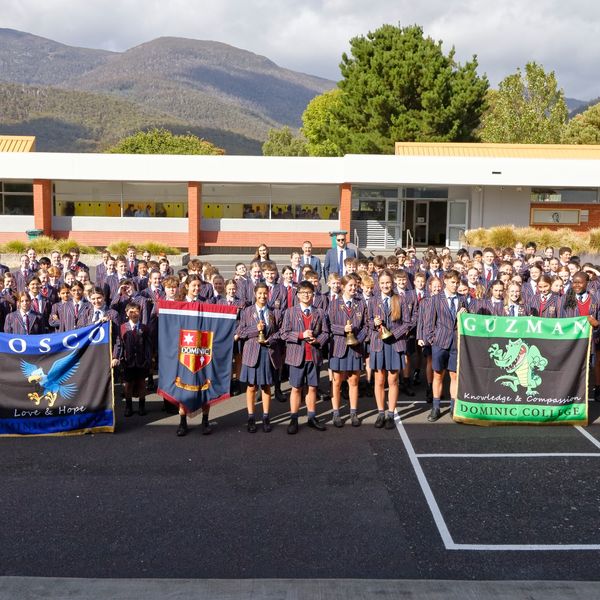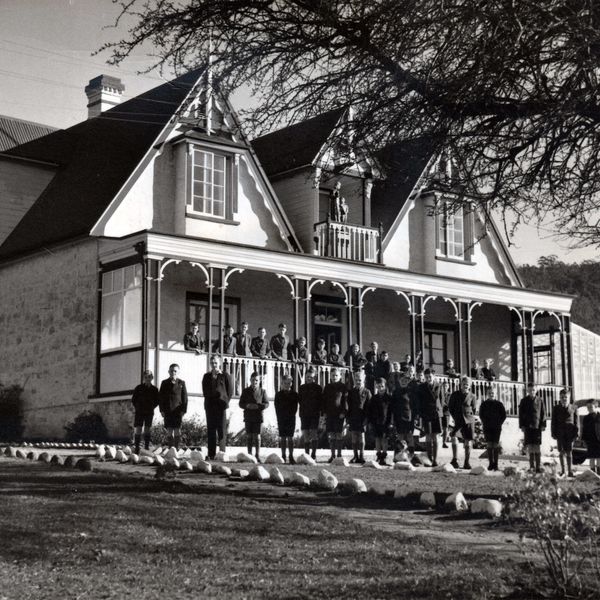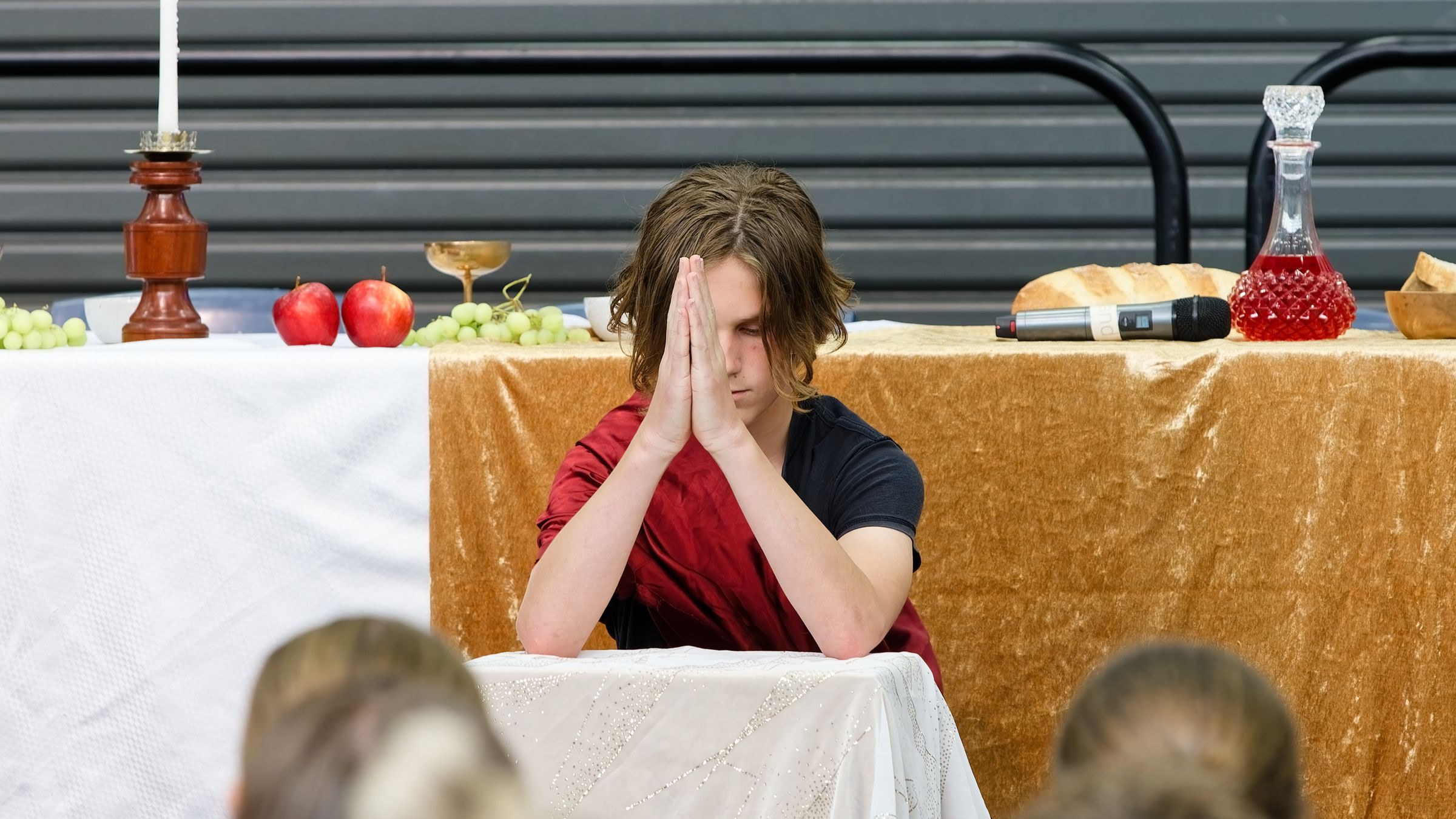
Dominic College owes its deep religious foundations to the Salesian and Dominican Orders. The College is named after St Dominic Savio, the schoolboy Saint and pupil of St John Bosco, and St Dominic Guzman, the founder of the Dominican Order.
St. John Bosco (1815-1888)
“Education is largely a matter of the heart.”
-St. John Bosco
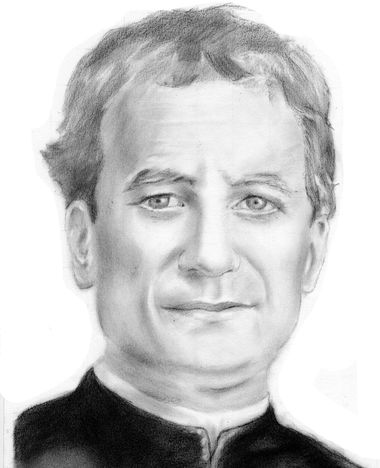
Dominic College is owned and governed by the Salesians of Don Bosco. The Salesians of Don Bosco are a Catholic religious order (the second largest in the world) dedicated to the education of young people and operate in 134 countries. The Order was founded by St. John Bosco (Don Bosco) in Turin, Italy in 1859 and named after St. Francis de Sales. Inspired by St. Francis, Don Bosco founded the Salesians in order to befriend, educate and help the poor and marginalised.
The Salesian philosophy is based on reason, religion and loving-kindness. Don Bosco developed teaching methods based on love rather than punishment, a method that became known as the Salesian Preventive System. The Salesian approach promotes an atmosphere of kindness, tolerance, acceptance and forgiveness. Don Bosco also founded the Daughters of Our Lady Help of Christians (Salesian Sisters of Don Bosco) in 1872.
St. Dominic Guzman (1170-1221)
“Have charity for one another, guard humility, make your treasure out of poverty.”
-St. Dominic Guzman
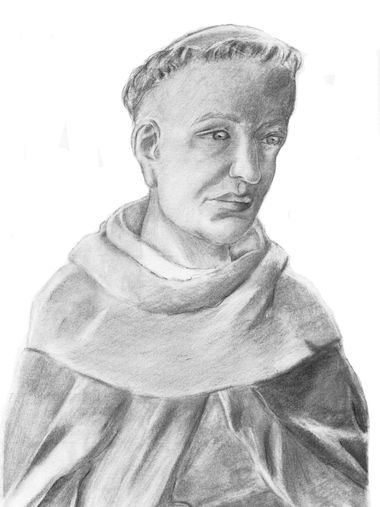
St. Dominic Guzman founded the Dominican Order in 1206 in Prouille, France. He was very dedicated in his commitment to education, prayer and compassion for the less fortunate. As a Salesian school we are called to emulate his spirit of service, love for learning, and dedication to making the world a better place. His Order of Preachers fought error with truth and founded and inspired many of the great European universities.
St. Dominic is credited with spreading and popularising the Rosary and the devotion of the Rosary remains at the heart of the Dominican Order. St. Dominic Guzman encouraged his followers to be compassionate, humble and to seek knowledge and truth. The first Dominican nuns, although leading a contemplative life, accepted converts and the daughters of noble families into their monasteries and educated them. The Dominicans believe that education leads to the realisation that the deepest truth is faith in God's presence in their lives.
St. Catherine of Siena (1347-1380)
“Be who God meant you to be and you will set the world on fire.”
-St. Catherine of Siena
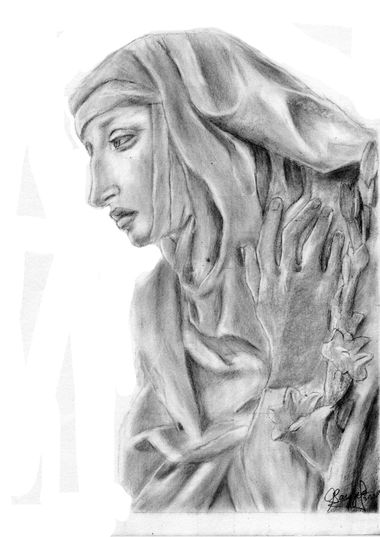
St. Catherine of Siena lived in Siena, Italy and was a Dominican and established a monastery for women in 1377 outside of Siena. She encouraged her followers to be charitable and prayerful in order to make the world a better and more peaceful place in which to live. Catherine ranks high among the mystics and spiritual writers of the Catholic Church.
She is remembered for her boldness in confronting corruption, her defence of truth, and her unquenchable zeal for God. She is only the second woman to be granted the title “Doctor of the Church”. Her example teaches us the importance of personal holiness and the amazing power of prayer.
St. Catherine’s tireless efforts to bring positive change reminds us that with God’s grace each one of us has the ability to make a difference in the world.
St. Dominic Savio (1842-1857)
"I am not capable of doing big things, but I want to do everything, even the smallest things, for the greater glory of God."
-St. Dominic Savio

St. Dominic Savio, a role model for the young, was born in Italy in 1842 and died at 15 years of age. Even as a young boy, he had a desire to be a priest. He lived in Turin, Italy and was a pupil of St John Bosco. So highly did Don Bosco regard him that he wrote a biography about his young student.
Dominic Savio rejoiced in God’s presence reflected in nature and people, and offered youth a vision of what they could become. John Bosco's mother, who was called Mamma Margaret, remarked to him of Dominic, "you have many good boys, but none can match the good heart and soul of Dominic Savio”.
Pope Pius X described Dominic as “small in size but a towering giant in spirit.” Dominic Savio is one of the youngest people to ever be canonised.
St. Francis de Sales (1567-1622)
“Nothing is so strong as gentleness, nothing so gentle as real strength.”
-St. Francis de Sales
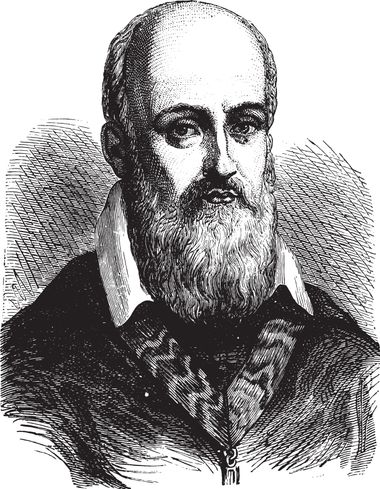
St. Francis de Sales was born in France in 1567. St. Francis de Sales is admired for his great sanctity, learning, missionary zeal, gentleness, and understanding of the human heart.
A Doctor of the Church, he is best described as a Christian Humanist, a potent spiritual force for creating a spirituality admirably suited to those in every walk of life, especially the lay person. He is often called the “Gentleman Saint” because of his patience and gentleness.
The Salesians of Don Bosco are known as the Society of St. Frances de Sales and are placed under his patronage. His writings, especially An Introduction to the Devout Life, and Treatise on the Love of God, were to have a profound influence on St. Vincent de Paul.