palawa kani (Pronounced pal-a-wa kah-ni) is the language of the Aboriginal people of Tasmania (lutruwita). The language represents a vital part of Australia's cultural heritage and is increasingly being integrated into educational settings to preserve First Nations' languages and promote cultural awareness and appreciation.
pulana Precinct
With the permission and support of the Tasmanian Aboriginal Centre, Dominic College has named its Early Years classrooms using palawa kani.
The K-2 Precinct at the College is called the pulana Precinct. pulana (pronounced pul-ah-nah) is the palawa kani word for 'Star'.
The star is one of the key symbols within the Colleges Catholic tradition – it is highlighted on the College crest and the tie of our formal uniform.
Please see our list of classrooms and their palawa kani language pronunciations.
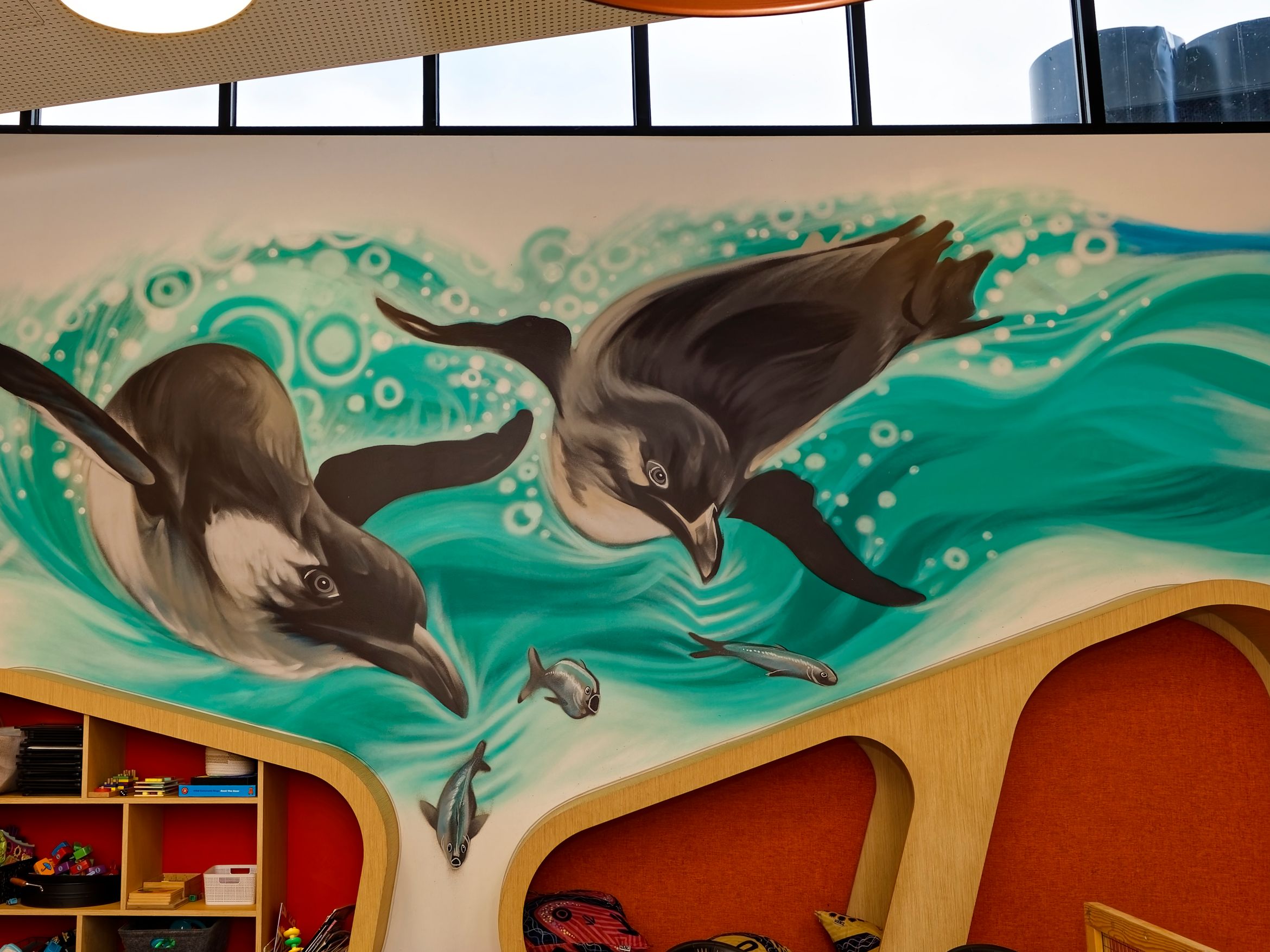
- Kindergarten – tuminana (pronounced too-mee-nah-nah) is palawa kani for 'Little Fairy Penguin'.
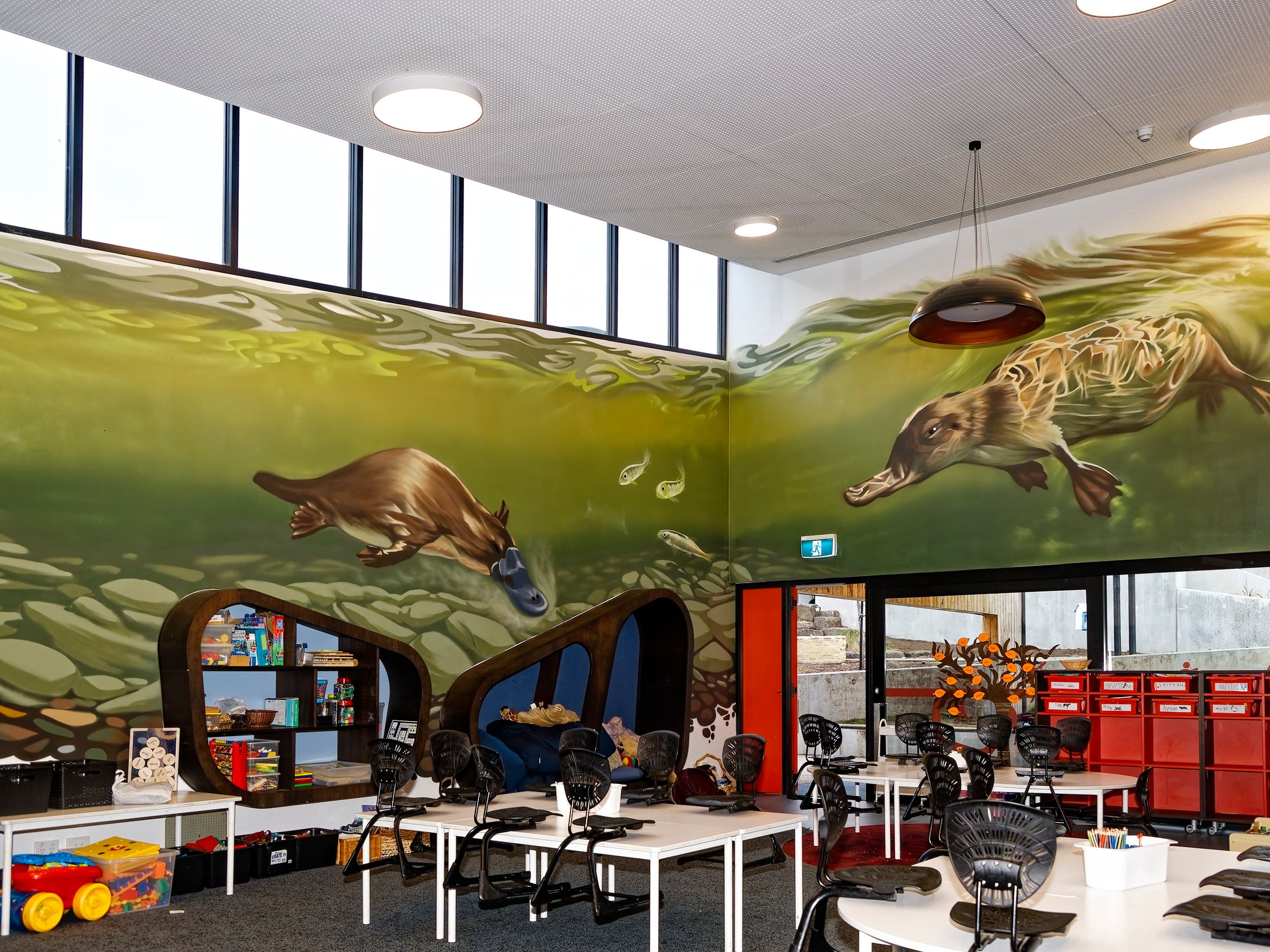
- Prep - larila (pronounced lah-ree-lah) is palawa kani for 'Platypus'.
- Year 1 - timita (pronounced tee-me-tah) is palawa kani for 'Possum'.
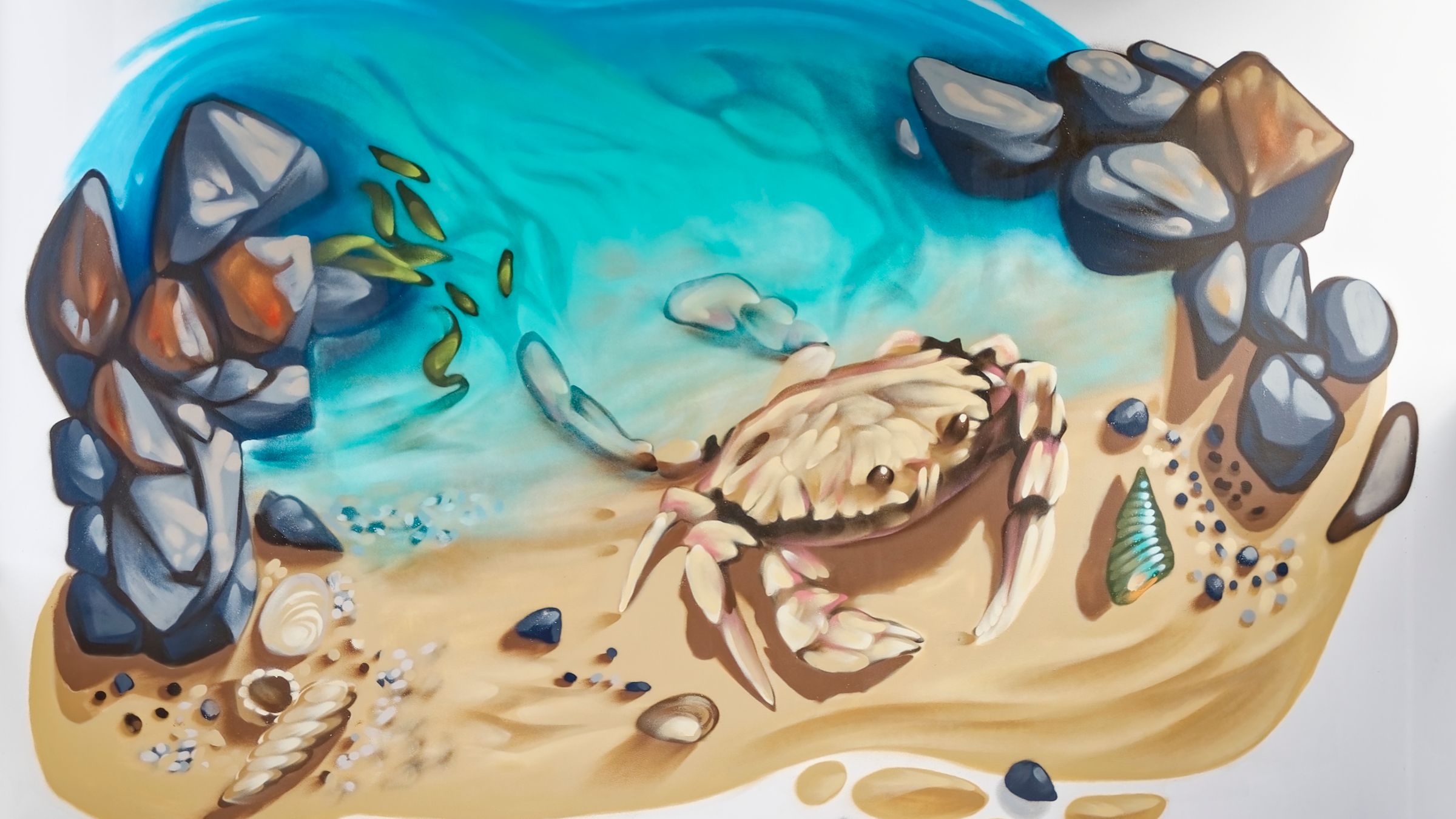
- Year 2 - tuti (pronounced tu-tee) is palawa kani for 'Sand Crab'.
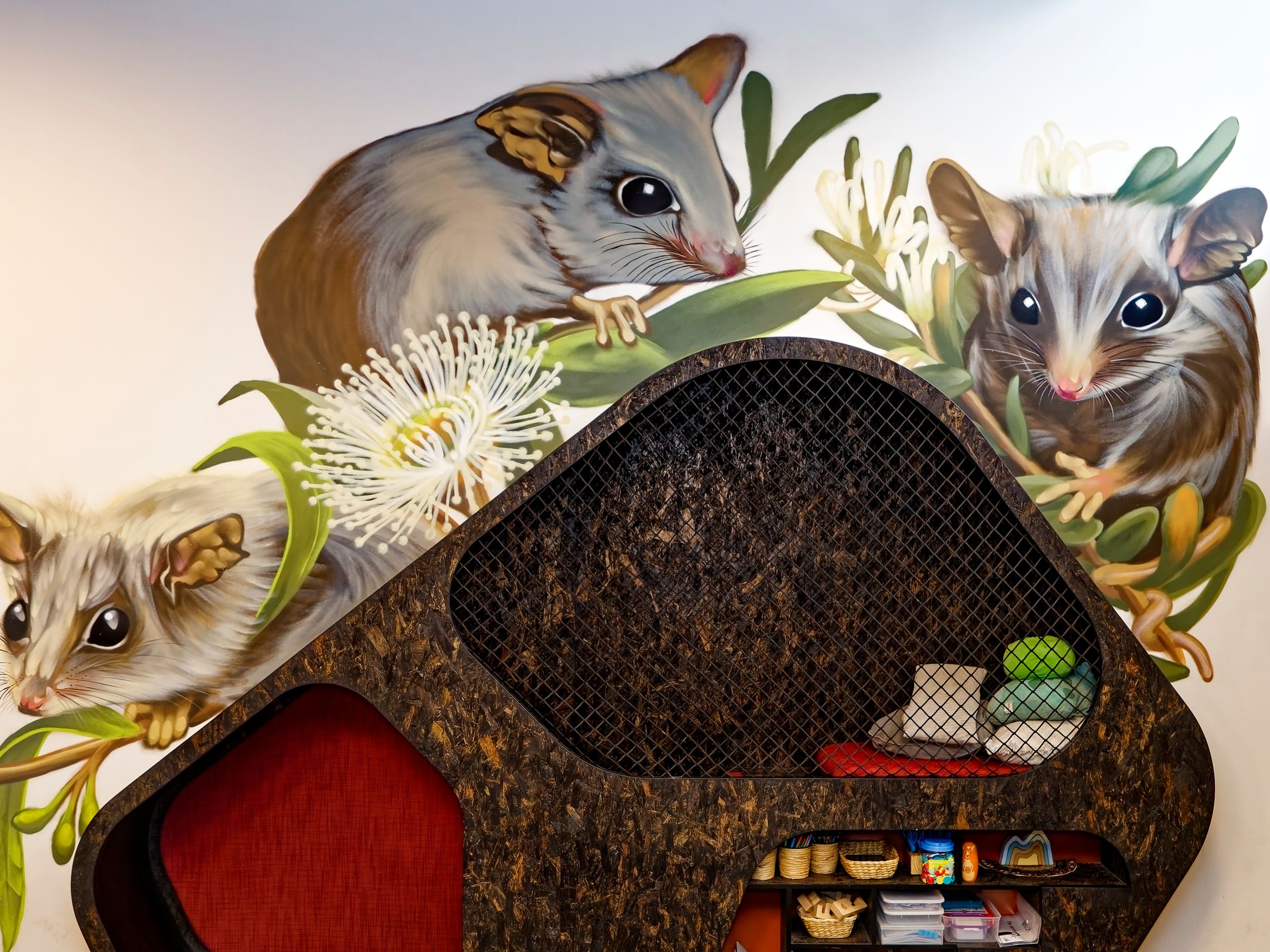
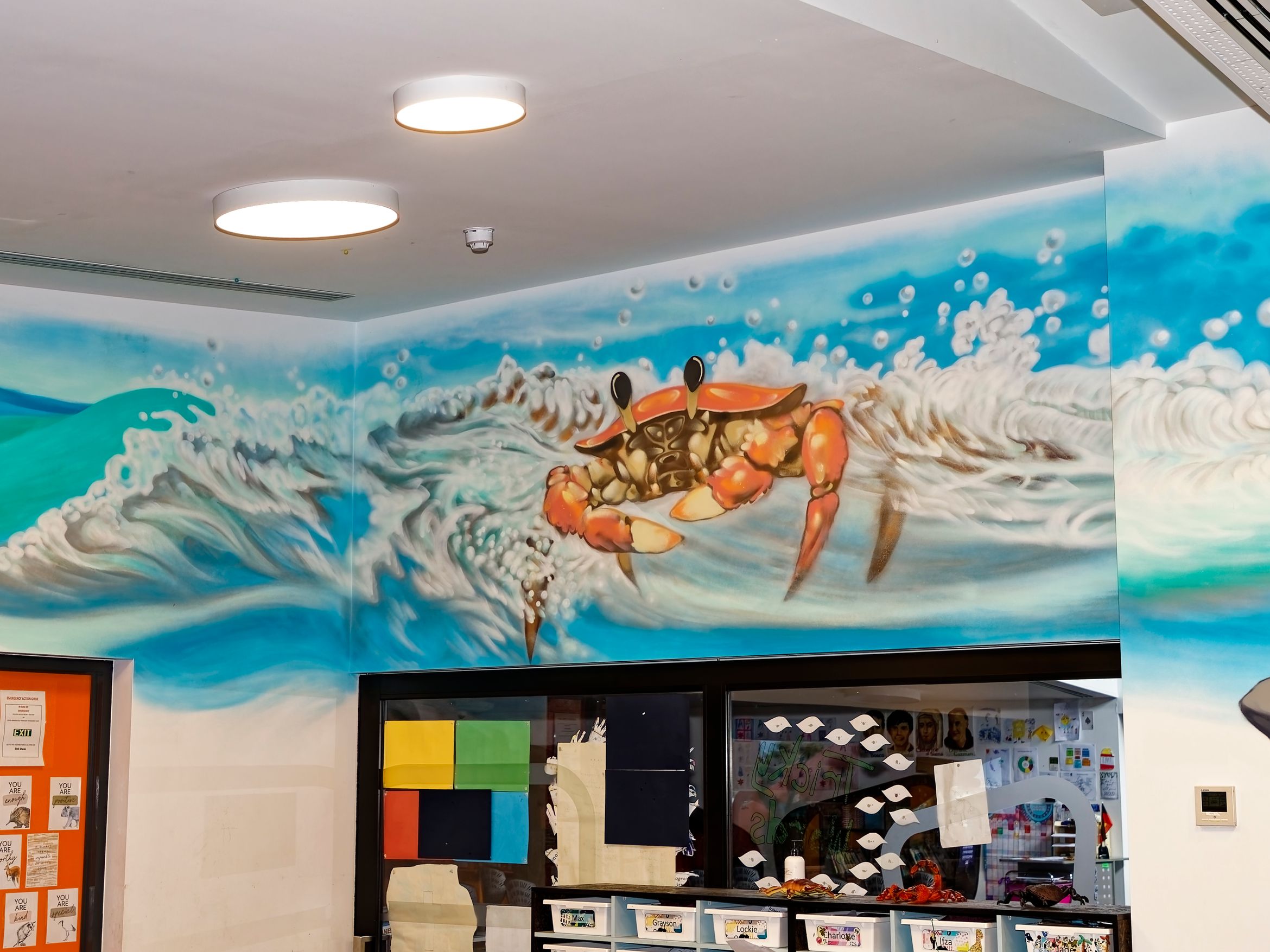
luwutina Centre
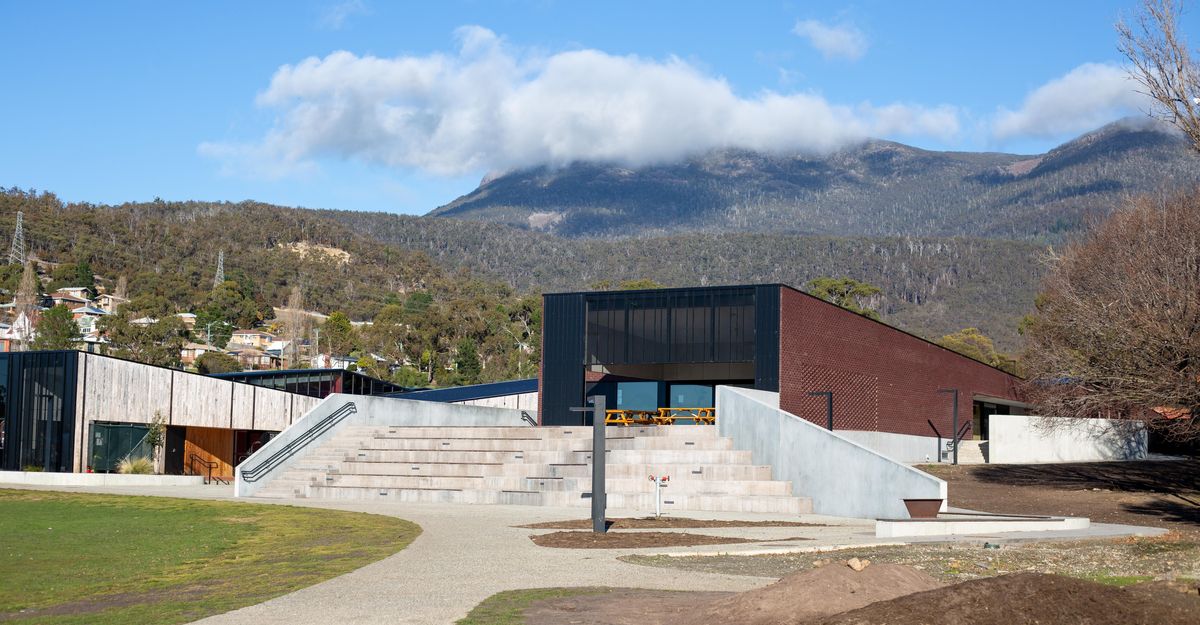
Within the pulana Precinct is a special multi-purpose centre called the luwutina Centre (pronounced lu-wu-tee-nah). luwutina is palawa kani for 'Child/Children'.
The luwutina Centre is used for student gatherings, specialist teaching classes and group workshops. It also serves as the College’s space to conduct Before and After School Care and the Vacation Care Program.
The Dominic College Peace Pole
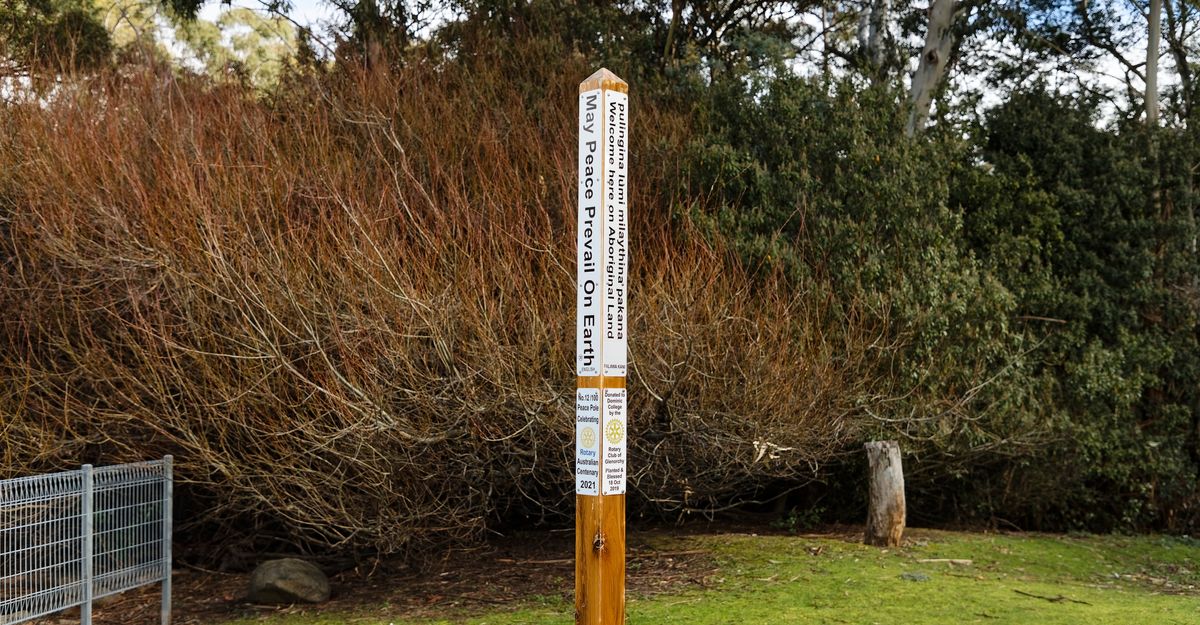
With permission, palawa kani, is used on the College’s Peace Pole, alongside English, Japanese and Hindi. All visitors are greeted with pulingina lumi milaythina pakana palawa/palawa (Welcome here on Aboriginal land).
The College’s Peace Pole was a gift from the Rotary Club of Glenorchy and is part of a global movement for peace. It is marked with the message ‘May Peace Prevail on Earth'.