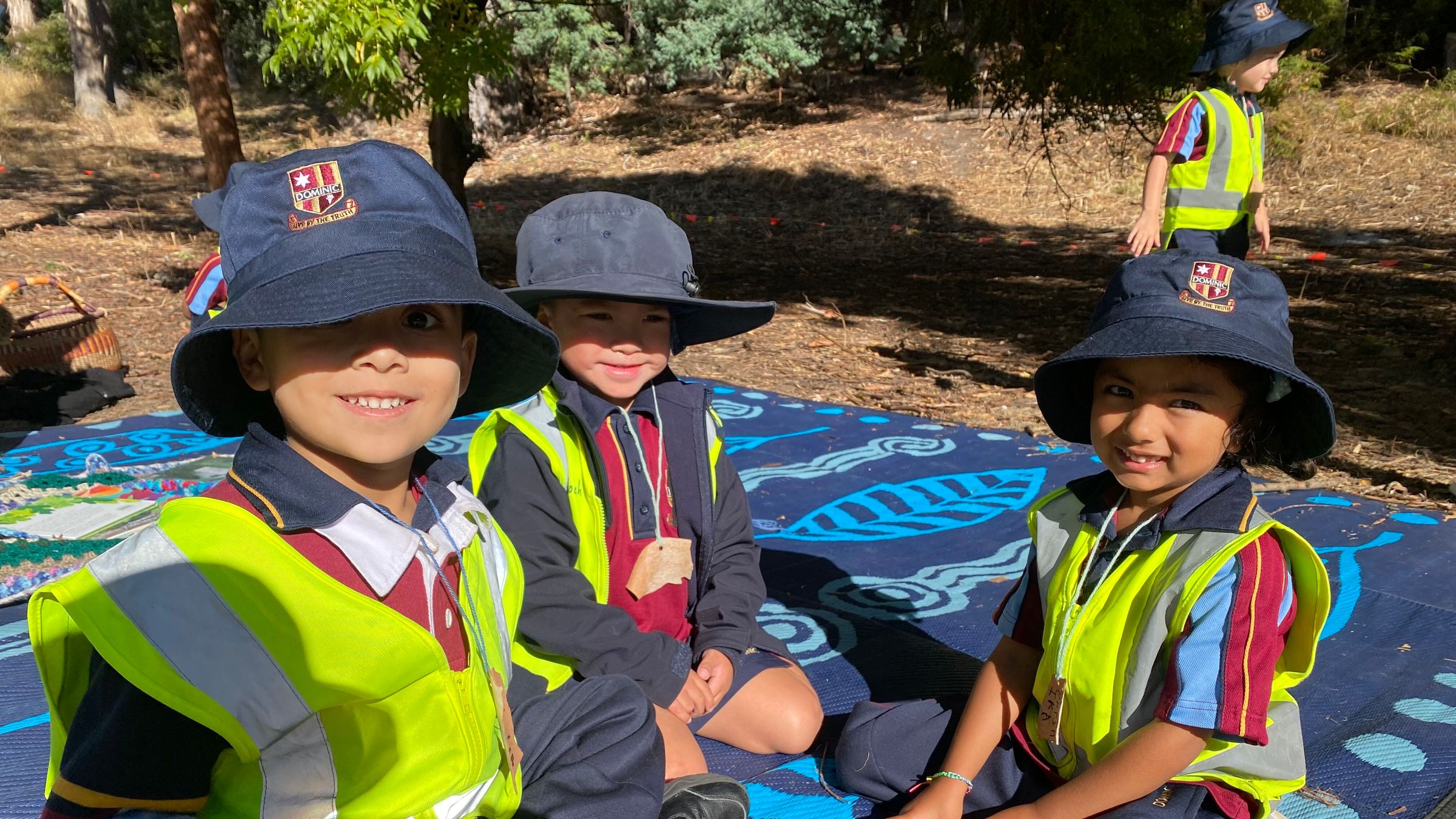
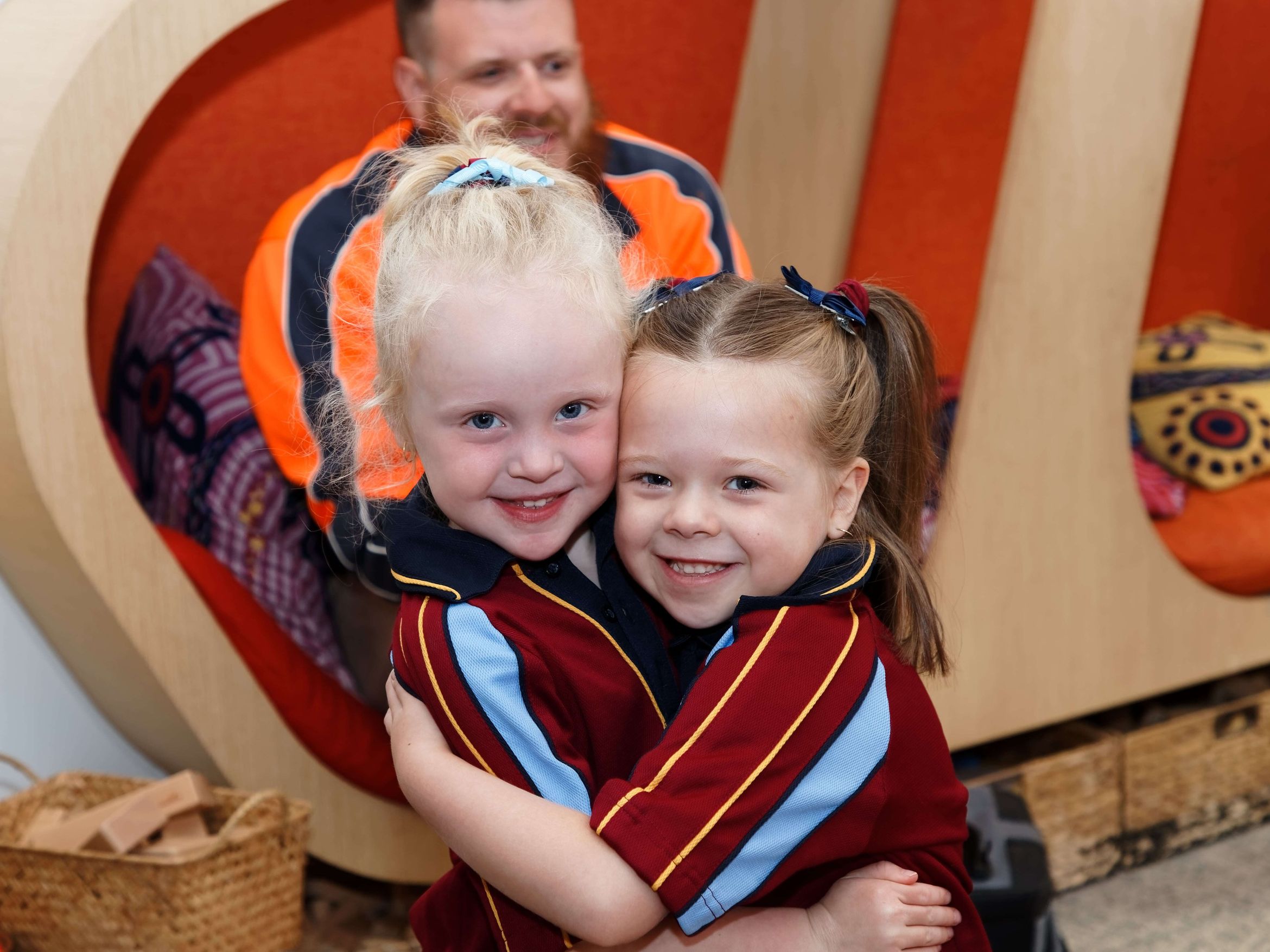
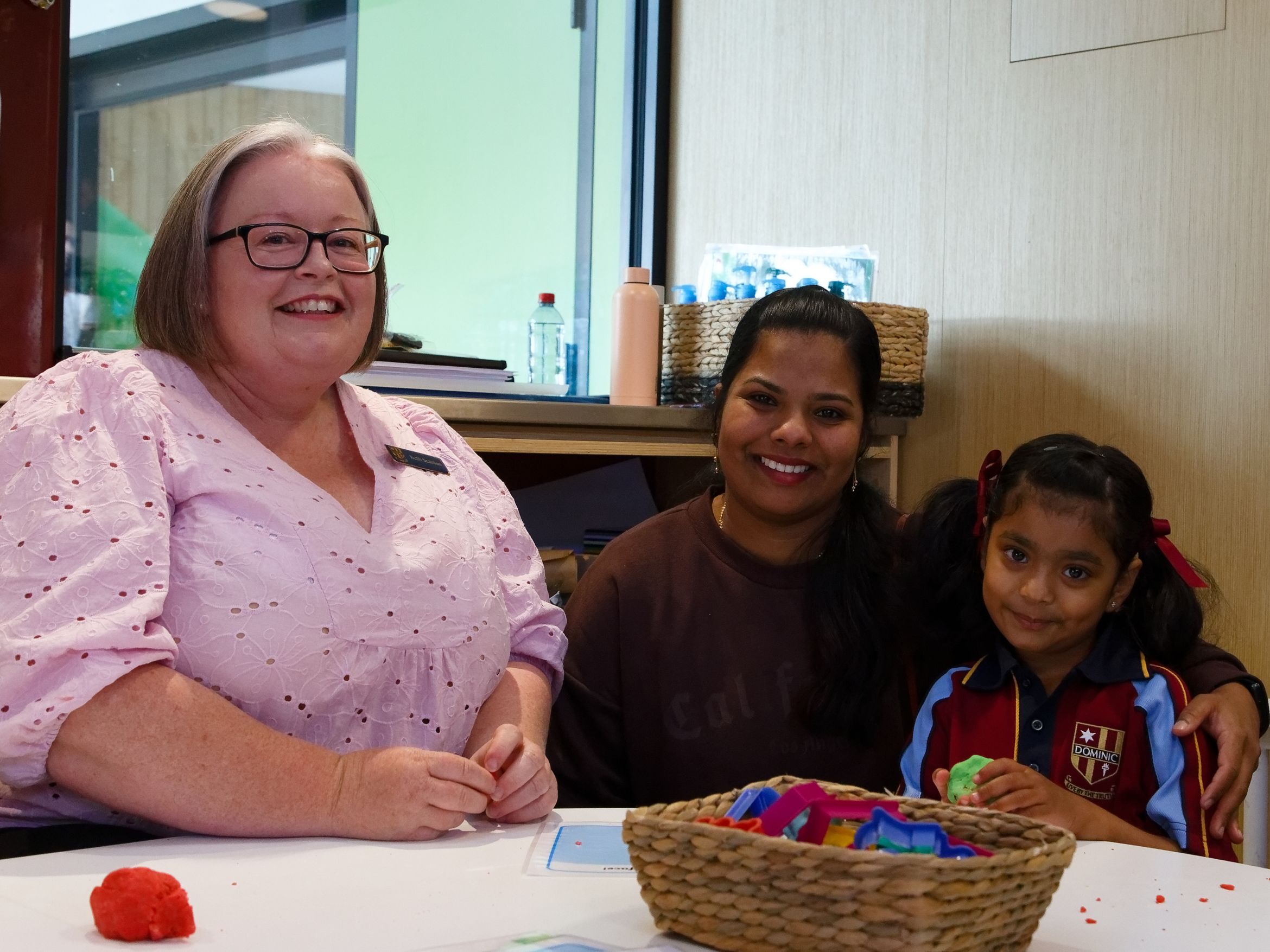
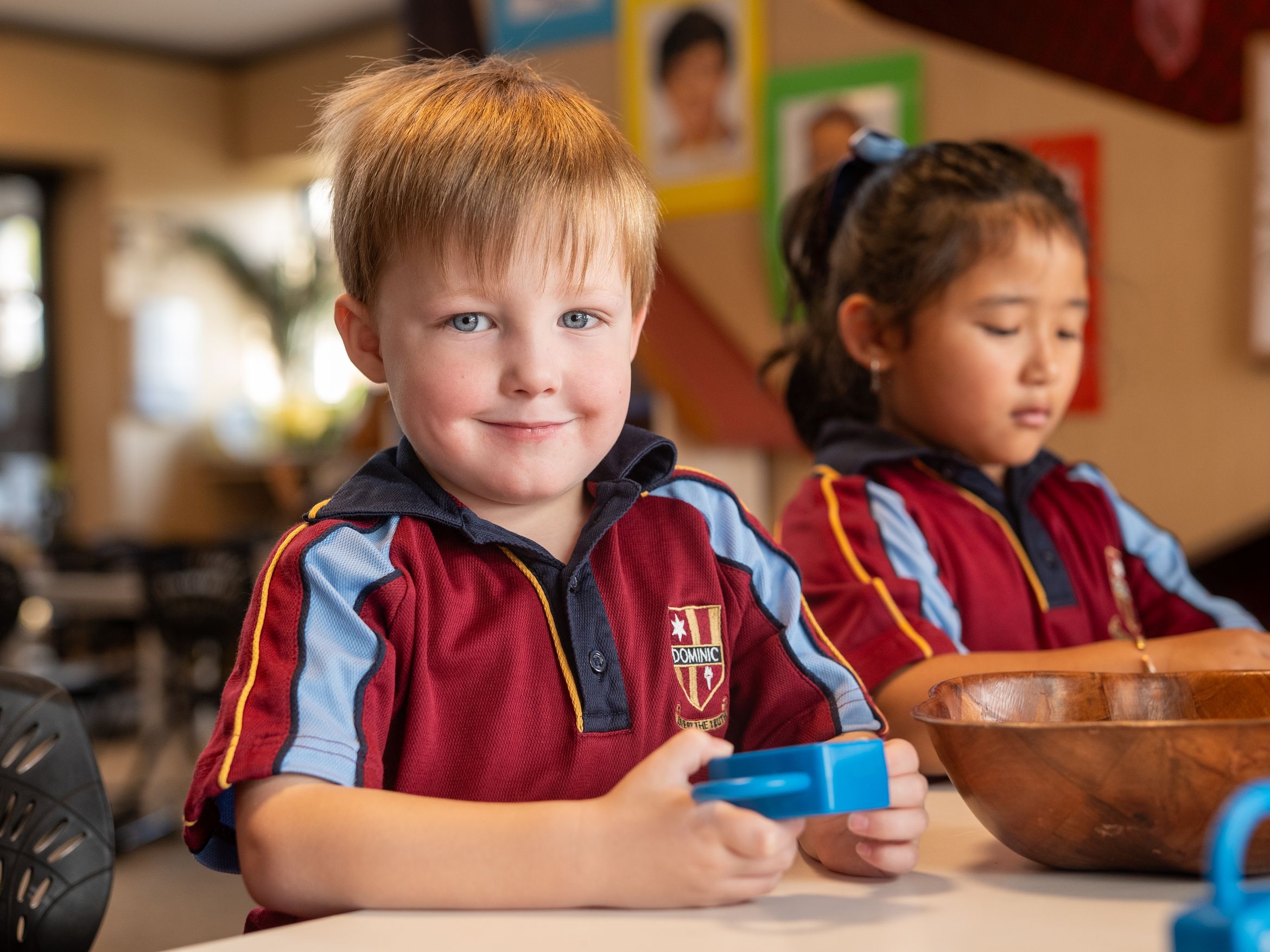
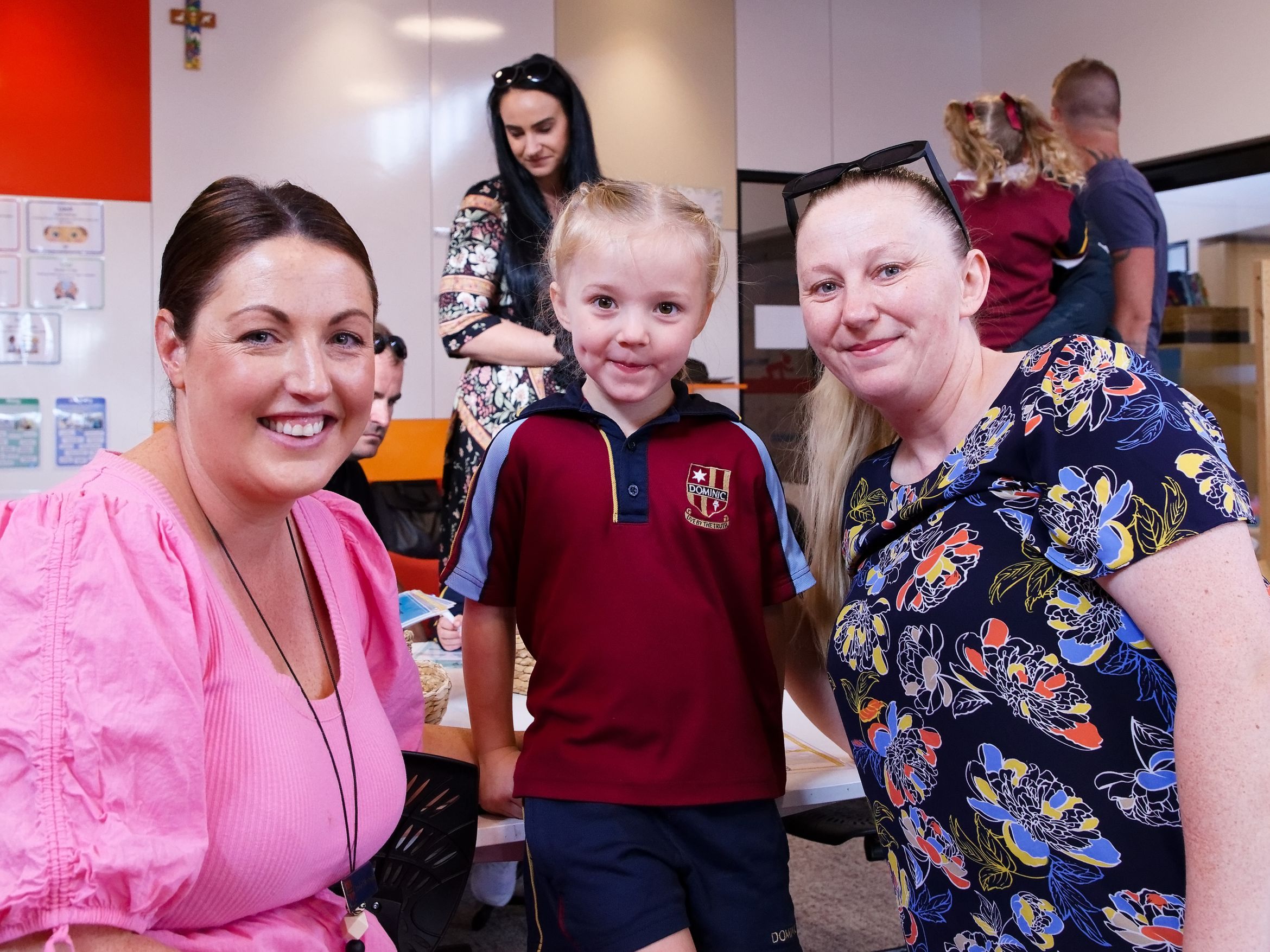
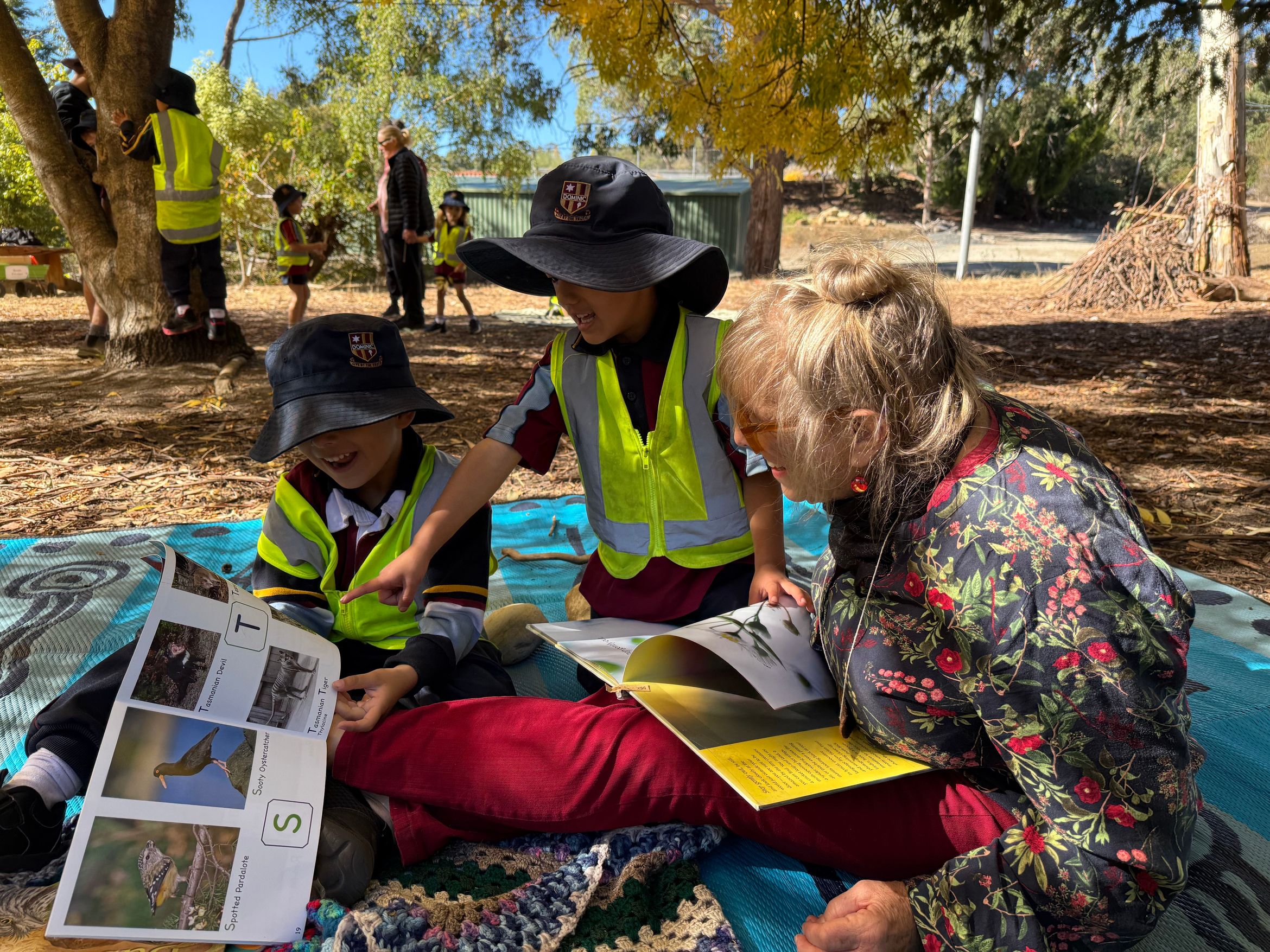
At Dominic College, our Kindergarten classrooms are vibrant, nurturing spaces designed to spark curiosity and creativity. Our thoughtfully crafted curriculum integrates hands-on activities, storytelling, and play to help young learners build essential skills in literacy, numeracy, and social interaction—all while having fun.
A Rich and Supportive Learning Environment
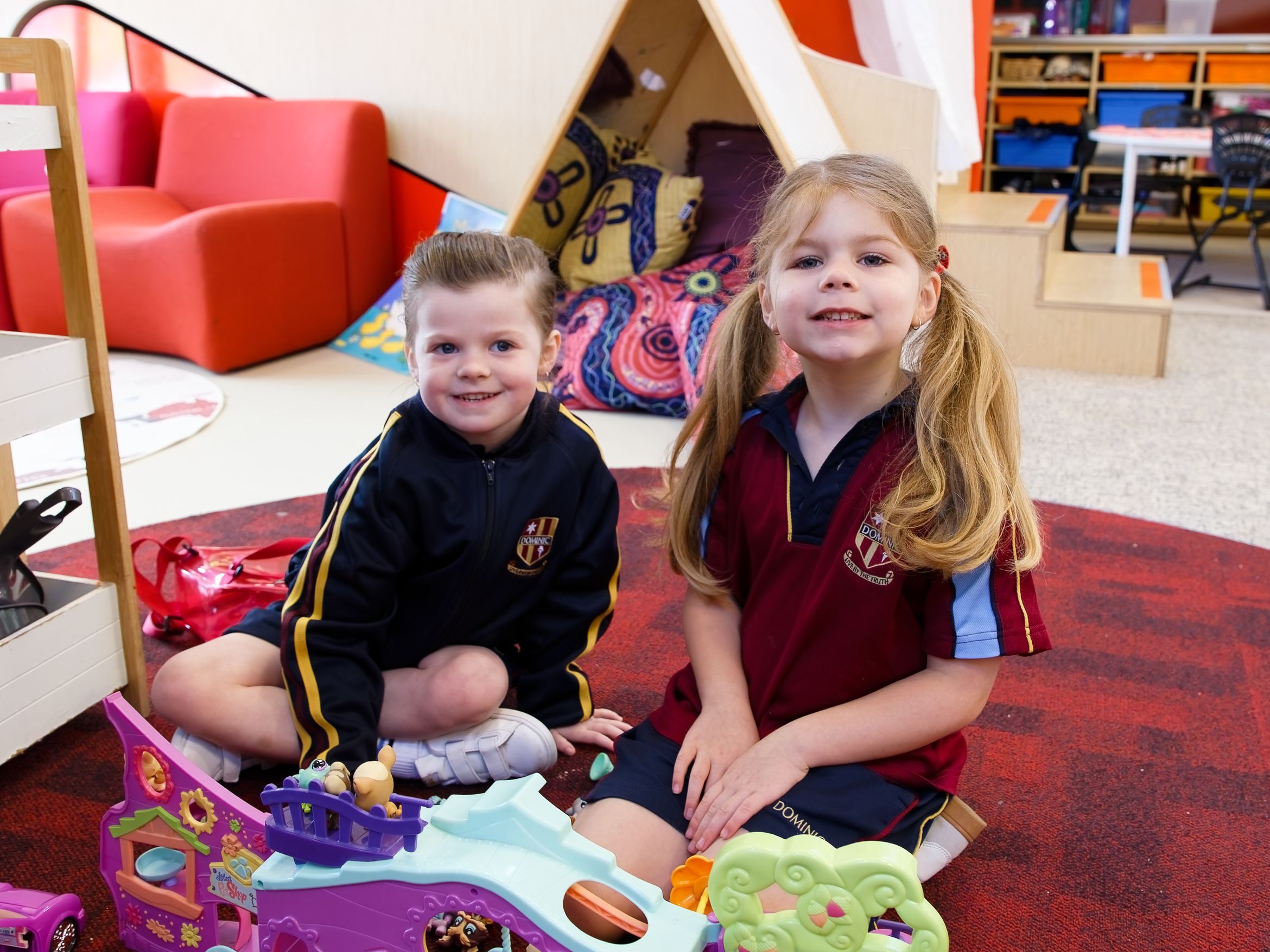
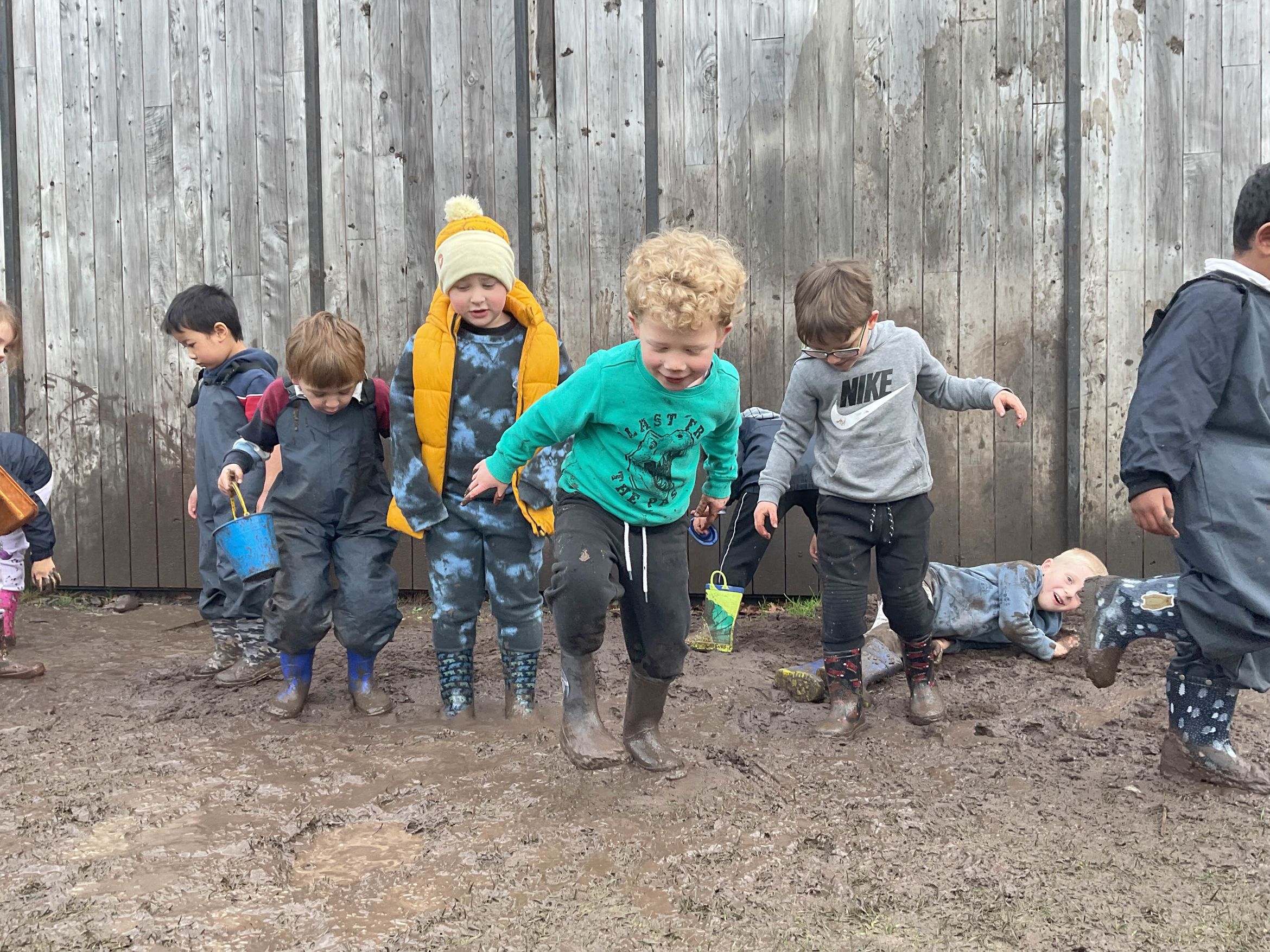
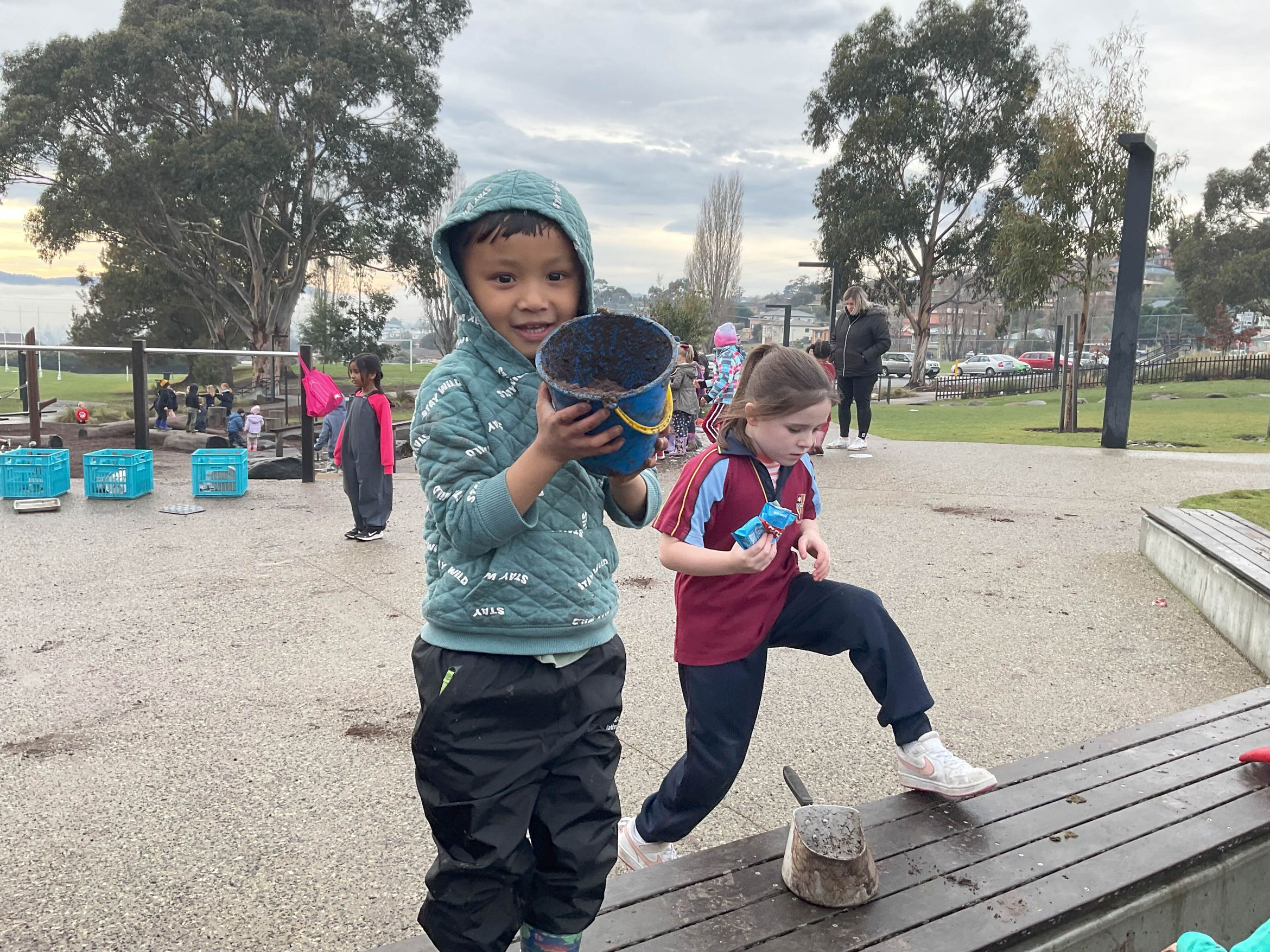
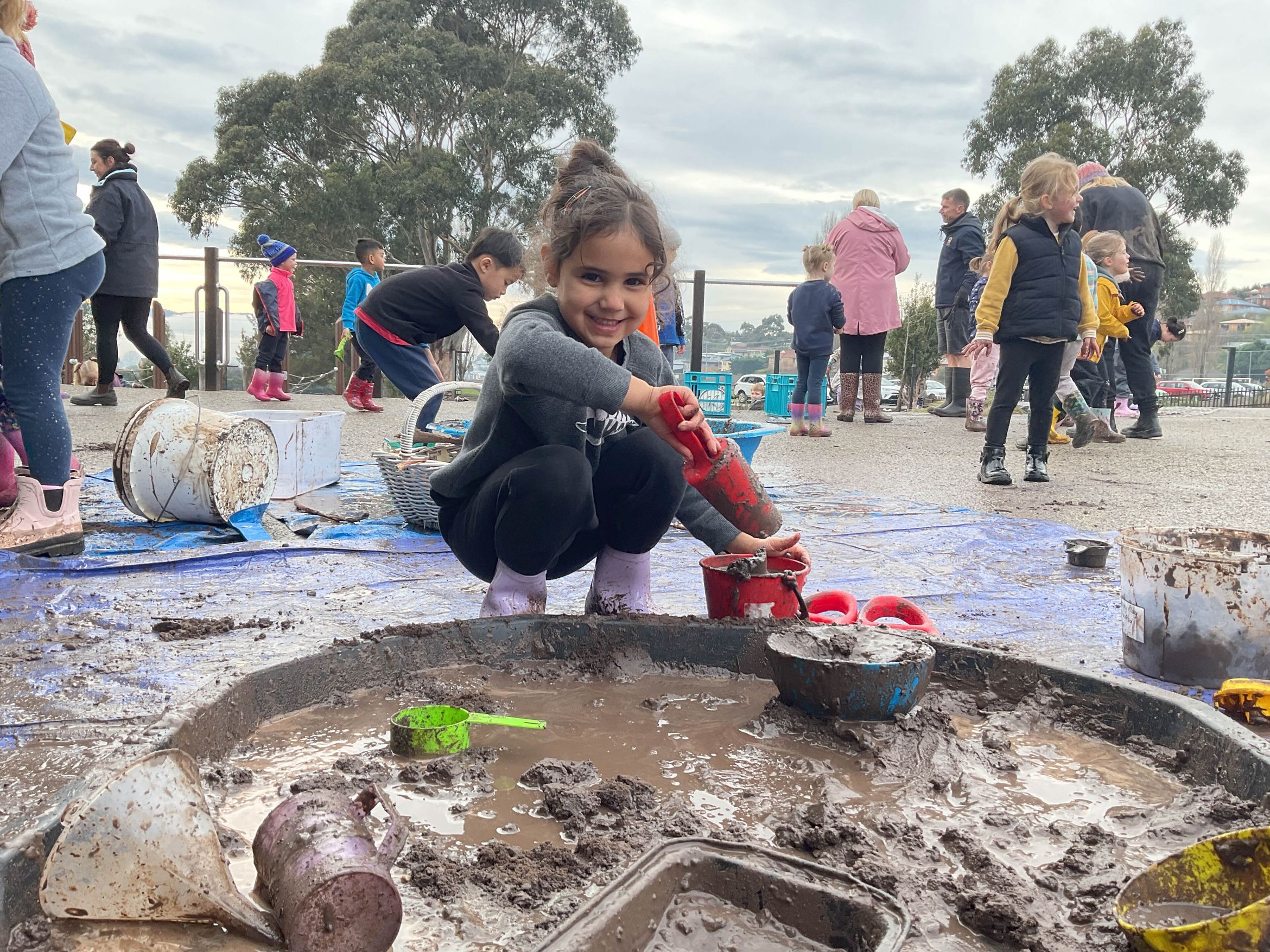
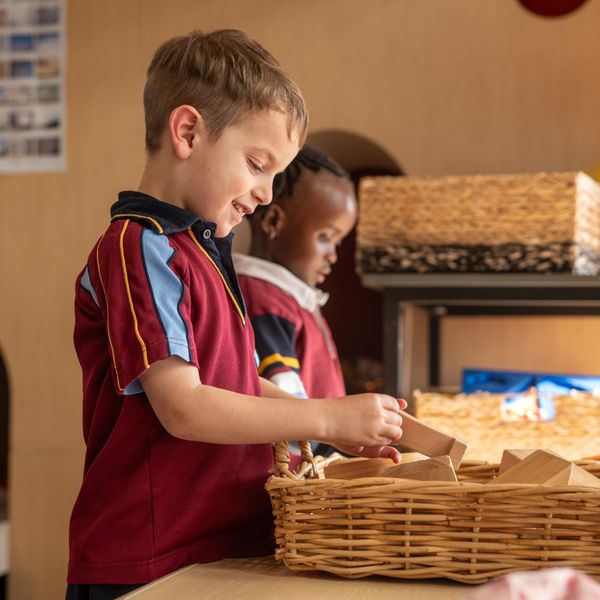
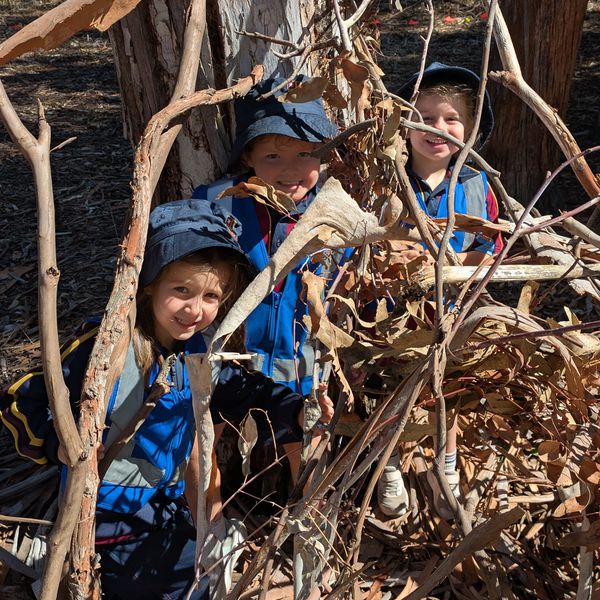
Our Kindergarten classrooms are purpose-built to support early learning and development. Outside, our playgrounds provide opportunities for exploratory play and the development of gross motor skills.
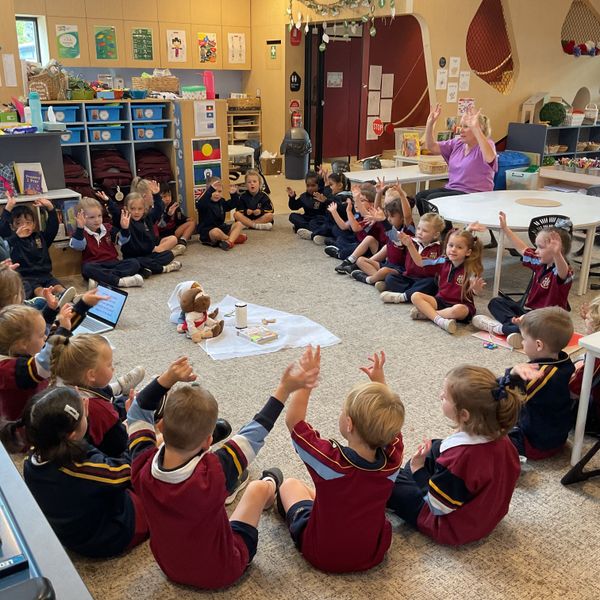
Our Kindergarten classrooms feature:
• Dedicated learning centres and flexible play areas
• Free and guided play opportunities
• On-site bathroom facilities for convenience and independence
• Interactive technology
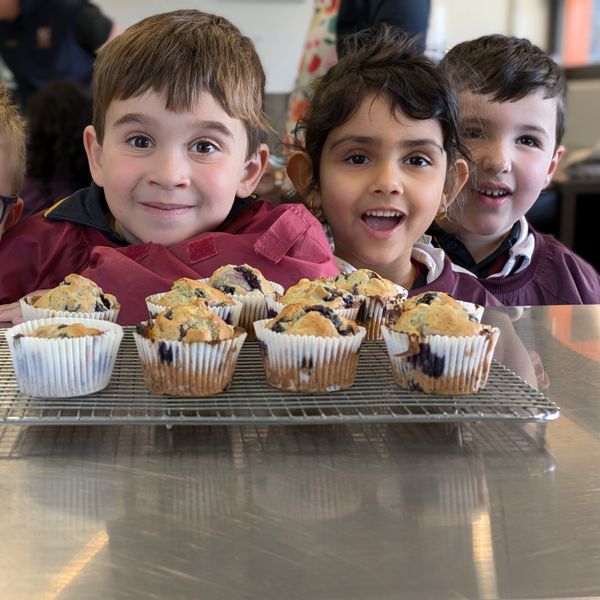
Kindergarten students also benefit from specialist programs in:
• Music
• Physical Education
• Cooking
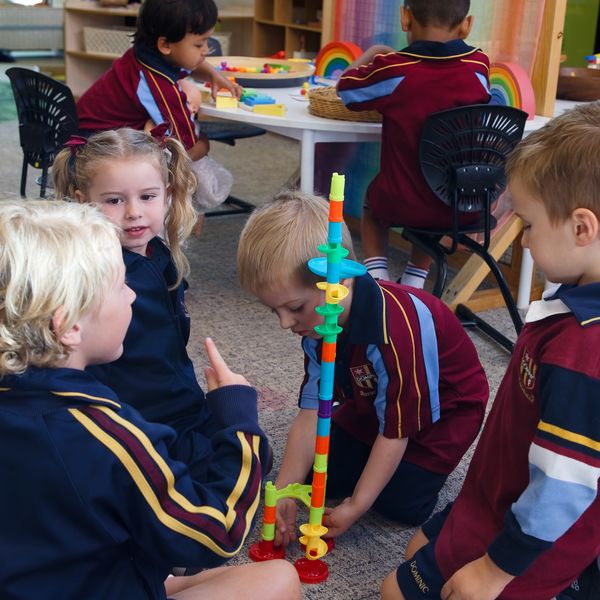
A typical Kindergarten day includes:
• Morning meeting, prayer and welcome
• Literacy and numeracy activities
• Guided and free play
• Story time and learning circle
• Daily fitness and movement
• Rest and relaxation
• Songs, games, and social learning
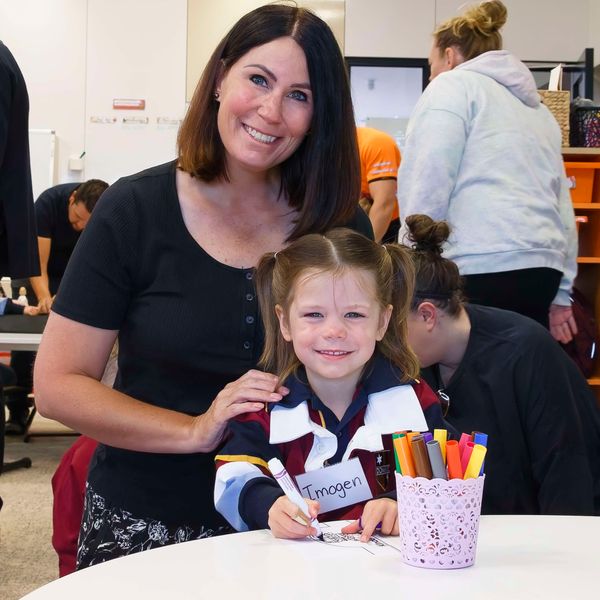
Kindergarten students attend school three days per week. This structure helps ease the transition into full-time schooling in Prep the following year.
Families can choose from the following attendance options:
• Monday to Wednesday
• Tuesday to Thursday
• Wednesday to Friday
The Early Years Learning Framework
Dominic College’s Kindergarten program is guided by the National Early Years Learning Framework (EYLF), which supports high-quality education for children from birth to five years of age. This shapes our teaching and learning practices, ensuring each child is supported in their growth and development.
📄 To learn more about our Kindergarten curriculum, please refer to our Early Primary Handbook.
At the heart of the Early Years Learning Framework are the principles of:
• Belonging
• Being
• Becoming
The framework outlines five key learning outcomes for children:
• A strong sense of identity
• Connection to and contribution to their world
• A strong sense of wellbeing
• Confidence and involvement in learning
• Effective communication skills